Making wealth creation understandable for anyone.
Business is the biggest engine for wealth creation and the source of the greatest personal fortunes. Understanding how it happens is not complicated — and should be taught to everyone.
Most multimillionaires and virtually all billionaires owe their personal wealth to stock ownership in businesses they worked for or helped start. Understanding how this happens is not complicated and should be taught to everyone.
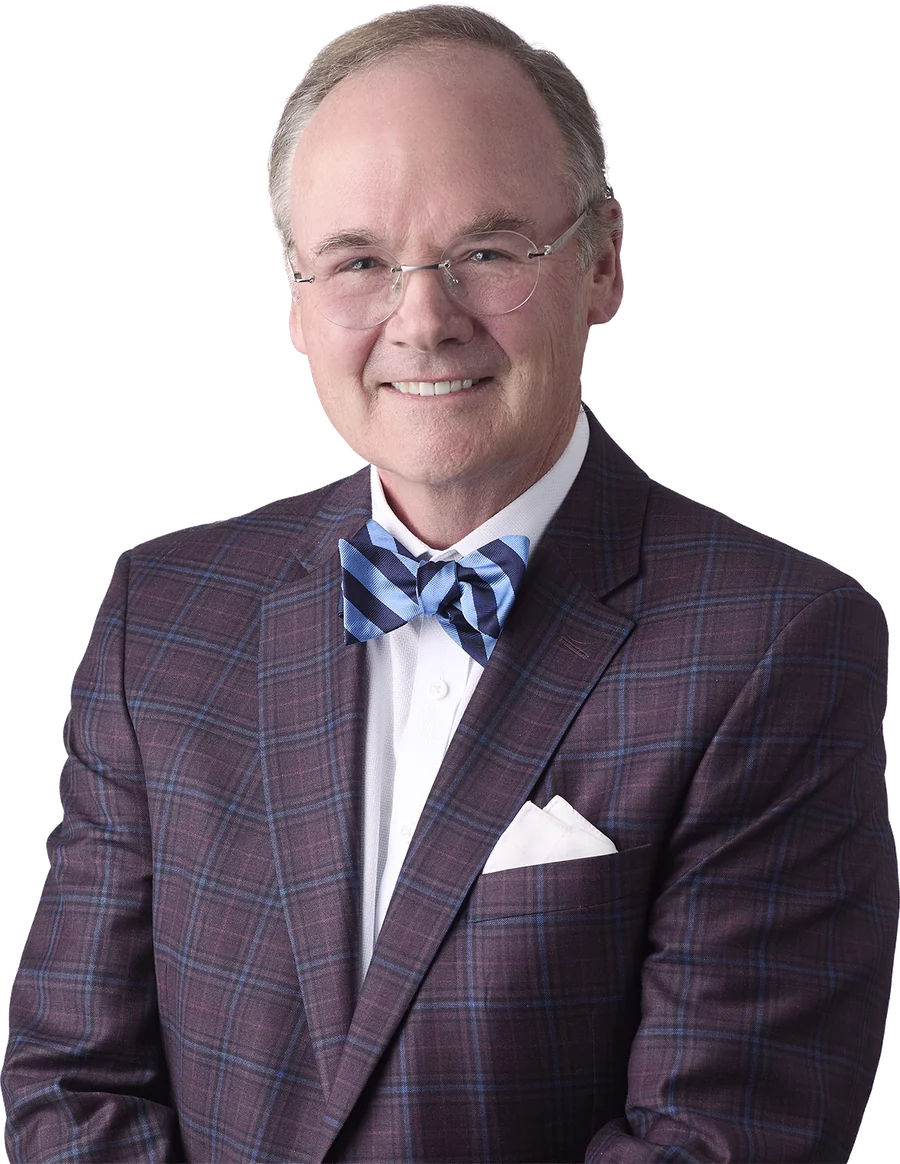
I'm Chris Volk — husband, parent, grandparent, business leader, author, educator and long-term student of corporate business-model fundamentals. I've taken three outperforming companies public on the New York Stock Exchange, co-founding and conceiving two of them. Along the way, I was privileged to have a “who's who” of investors. When I stepped down as the founding CEO of my last company in 2022, our largest shareholder was Warren Buffett's Berkshire Hathaway.
Our companies did not have the best business models. But you don't need perfect business models to create wealth. You just need to optimize the business models available to you.
Ten years after starting my last public company, our equity value was approaching $10 billion. That's not the important thing. The important thing was that our equity was worth about 1.4× its original cost — meaning we created nearly $3 billion in shareholder wealth above and beyond the dividends we had paid and the cash flow we had reinvested over our ten-year history. Most of that wealth went to our shareholders, but our employees were also deserving winners, with a number becoming multi-millionaires.
Our financial success was not lucky. It started with a solid leadership team. Then we wrapped our strategy to address our market and sell our financial services into an optimal business model. That model was designed to deliver investor returns exceeding their expectations, which is how our equity came to be worth 1.4× its cost. This achievement defines being good shareholder capital custodians — and it enabled us to offer greater opportunities and compensation to our team members.
“I believe that strong, successful business cultures are those that never cease to make courageous decisions.”
— Christopher H. Volk
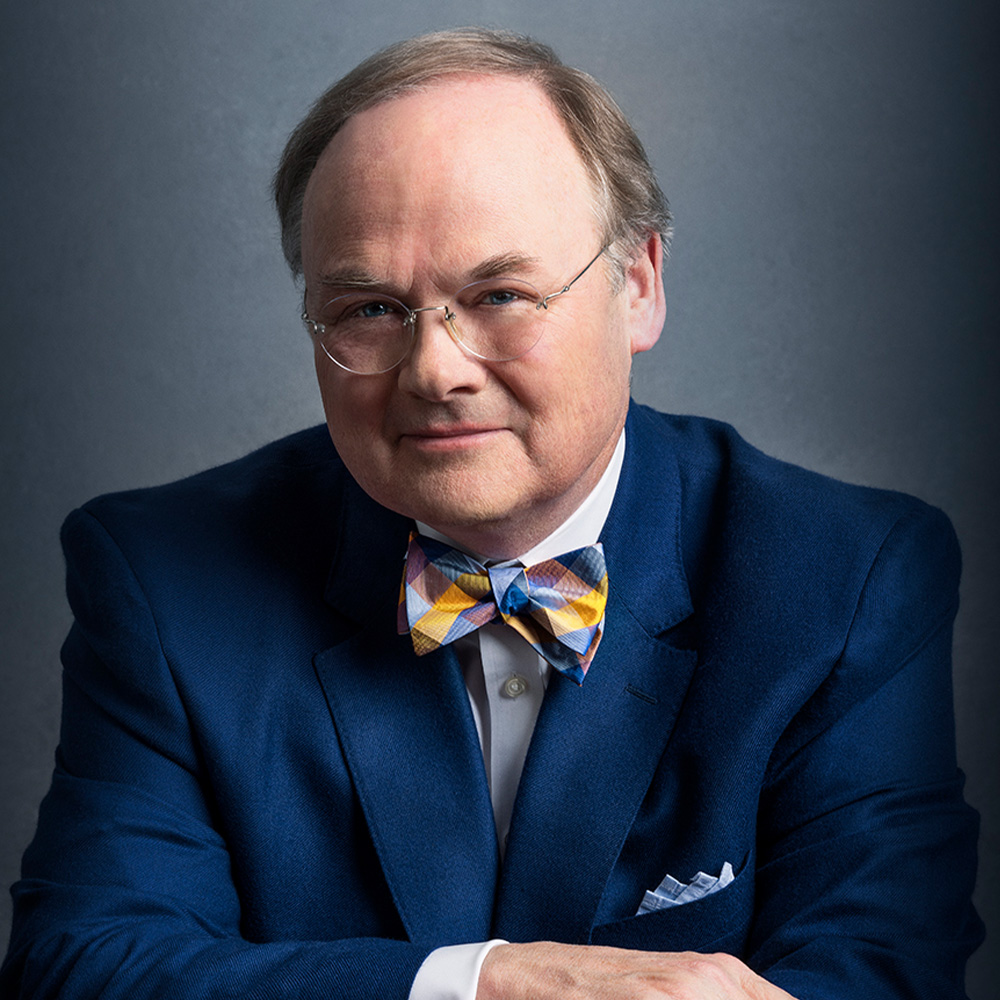
This site was built to give you the knowledge of how we — and other successful companies — create wealth. Understanding it can make you a better entrepreneur or business leader, and it may simply help you make better career choices. Companies with better underlying business models tend to offer better pay and more room to advance.
It can also make you a better investor. You may or may not pursue a business career, but most of us are destined to explore stock ownership as we save for retirement. Long-term stock performance is invariably tied to the business-model fundamentals that underpin five potential sources of investment returns. I believe everyone should know what those are.
I write frequently — from corporate management fundamentals to career advice to current events to the evaluation of expected public company returns. I'm not hard to reach either: chris@christophervolk.com.
3x
NYSE IPO company leader
$20B+
capital deployed to U.S. businesses
40+
years of finance & leadership
6
variables in the Value Equation
From rejection letters to a wealth-creation formula.
-
1979
300+ rejection letters. A history & French degree, $500 in cash and a 1970 Volkswagen.
-
1980
Drove to Atlanta, got a job selling clothes, convinced a regional bank to hire him, and started night school for his MBA.
-
1986
Moved from Atlanta to Phoenix, accepting a position with a bank customer that ran a real estate net lease company.
-
1994
Designed and guided the largest real estate partnership rollup ever completed — merging 11 partnerships with over 100,000 investors into a NYSE-listed company.
-
1999
Conceived the Value Equation, reducing a corporate financial model to six variables. The resulting article won the Lybrand Gold Medal from the Institute of Management Accountants.
-
2001
As President and board member of Franchise Finance Corporation of America, the company was sold to GE Capital for $2.1 billion — annual public company investor returns of 12.2%.
-
2004
CEO and co-founder of Spirit Finance, a real estate net lease company, listed on the NYSE. The company began with a private equity round in 2003.
-
2007
Spirit Finance acquired by an investor consortium led by Macquarie for $3.7 billion — annual public investor returns of 19.7%.
-
2011
CEO and co-founder of STORE Capital, raising private capital from Oaktree.
-
2014
Took STORE Capital public on the New York Stock Exchange.
-
2021
Departed STORE. The company was eventually sold in 2023 to a joint venture between GIC and a division of Blue Owl for $15 billion — public company investor returns of 11.2% annually through the sale.
-
Today
Author, lecturer, board member and observer of business — sharing the Value Equation with everyone.
Get on Chris’ list.
New writing on business models, wealth creation, and the Value Equation — delivered straight to your inbox. No noise, just clear thinking.
Delivered by Substack — free, unsubscribe any time. Prefer to talk? Get in touch ↗